
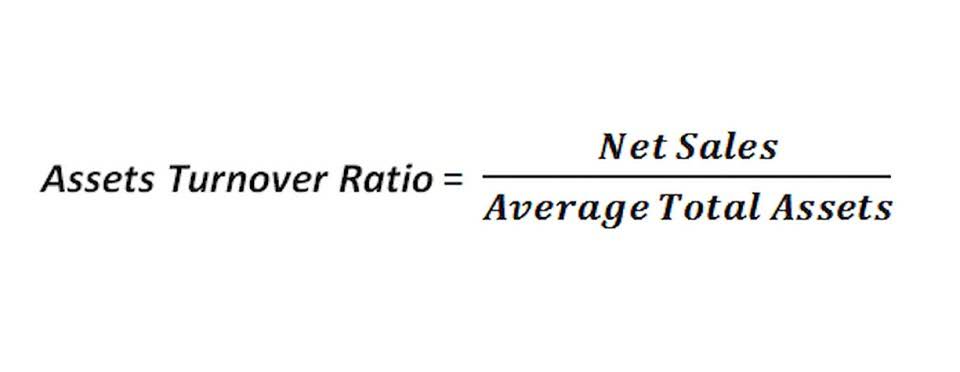
The overriding roles of managers (planning, controlling, and evaluating) lead to the distinction between financial and managerial accounting. The main objective of management accounting is to provide useful information to managers to assist them in the planning, controlling, and evaluating roles. Meanwhile, managerial accounting looks at past performance but also creates business forecasts. Investors and creditors often use financial statements to create forecasts of their own. Nevertheless, no future forecasting is allowed in the statements issued by a financial accountant. The process of financial accounting follows established rules and principles, most notably the Generally Accepted Accounting Principles (GAAP) or International Financial Reporting Standards (IFRS).
- Technologies like cloud computing can play an important role here by providing real-time data access and sharing so that the finance department can quickly respond to changes and provide timely updates to the management.
- They serve different purposes and often work together to represent a business’s correct financial outlook.
- Financial accounting degrees help prepare you for a variety of roles with advancement potential.
- Financial statements like balance sheets, cash flow statements, and income statements help directly deal with the external stakeholders to present the overall financial situation.
- A general accounting master’s program can also provide valuable training for financial accounting careers.
Better Strategic Planning
- Managerial accountants create financial documents for internal use, while financial accountants create public financial documents.
- Also known as management accounting or cost accounting, managerial accounting provides information to managers and other users within the company in order to make more informed decisions.
- The scenario is quite different from financial accounting, where precise valuation is at the core.
- Managerial accounting can provide detailed, real-time financial data to make better decisions and deal with this uncertainty confidently.
- The financial statements are typically generated quarterly and annually, although some entities also require monthly statements.
Based on this analysis, the management might decide to adjust its pricing or marketing strategy to improve its performance in the next month. Such detailed data-driven analysis enables a business to make targeted improvements rather than broad and less effective changes that may lead nowhere. Budgeting is planning and controlling financial resources to outline the expected revenues, expenses, and capital investments. It compares the actual financial outcomes with budgeted figures to analyze the differences and understand their causes. By following these principles, your business can avoid legal penalties and compliance issues.
6: Differentiating Between Financial and Managerial Accounting
Managerial accounting focuses on internal decision-making because managers rely on these reports to make operational decisions that can directly influence day-to-day activities. Financial accounting focuses on creating financial statements for external stakeholders. For instance, investors might look at a company’s balance sheet to understand whether it can meet its debt obligations. Creating interim financial reports (quarterly or half-yearly statements) is a part of standard financial accounting processes that provide timely updates on a company’s performance. Managerial accountants create financial documents for internal use, while financial accountants create public financial documents. Both generally follow professional standards and rules, but managerial accounting also follow internal or organizational reporting standards.
- However, some CPAs may also specialize in managerial accounting, which uses accounting information for strategic planning.
- All of this readily available information can lead to great improvements for any business.
- As with other certifications, candidates typically must meet education, experience, and exam requirements.
- No external, independent auditors are needed, and it is not necessary to wait until the year-end.
- If you already have a bachelor’s degree, Franklin’s M.S. Degree in Accounting can help you add another valuable credential to your résumé that can help you get ahead in your managerial or financial accounting career.
- To that end, we have built a network of industry professionals across higher education to review our content and ensure we are providing the most helpful information to our readers.
Users of Financial Accounting Information
The most common accounting specializations are financial accounting, management accounting, public accounting, tax accounting, and auditing. Specializing in one of these areas of accounting will shape your education, professional skills, and career path. There are several different types of accounting–from cost auditing to public accounting–but two of the most common are managerial (sometimes referred to as management) accounting and financial accounting. The document outlines a comparison table between managerial and financial accounting. It highlights primary users, types, frequency, purpose, content, and verification of reports for each accounting type.

The best certification depends not only on the accountant’s specialization but also on their career goals. To make Mental Health Billing capital expenditure selections, managers use managerial accounting professionals to assess and convey information. The use of working capital metrics, like the cost of capital as well as residual value, is one example.
As to Level of Detail

Technologies like cloud computing can play an important role here by providing real-time data access and sharing so that the finance department can quickly respond to changes and provide timely updates to the management. This improves the quality of financial reporting and helps the management make better strategic decisions as they have a clear picture of the company’s financial health. Financial accounting is legal by nature, as it is governed by the law, and companies are compulsorily required to maintain transparency and accountability in their financial dealings.
Managerial Accounting vs Financial Accounting: Difference and Comparison
Although outside parties might be interested in this information, companies like Tesla, Microsoft, and Boeing spend significant amounts of time and money to keep their proprietary information secret. They are generated using accepted principles that are enforced through a vast set of rules and guidelines, also known as GAAP. The information generated by the management accountants is intended for internal use by the company’s divisions, departments, or both. Managerial accounting is much more flexible, so the design of the managerial accounting system is difficult to standardize, and standardization is unnecessary.
External (including investors and creditors)
Financial accounting uses historical data, while managerial accounting creates forecasts and projections. Managerial accounting on the other hand, is done to provide information to managers within the organization. This means looking at just one product, one manufacturing line or one segment of your service. These reports don’t need to complete the following comparison table between managerial and financial accounting cover the entire operation of the business, and they do not need to follow generally accepted accounting principles (GAAP). You can prepare your reports from a managerial accounting perspective in whatever way is helpful for decision making.
Both of these branches of accounting create financial documents that can shape business operations. Because financial accounting typically focuses on the company as a whole, external users of this information choose to invest or loan money to the entire company, not to a department or division within the company. Financial accounting involves the preparation of general-purpose financial statements used by various users in making informed decisions. Because managerial accounting is not for external users, it can be modified to meet the timely specific needs of its intended users. Reports generated through managerial accounting are highly detailed and focus on a particular department or operational activity to provide data that can help managers improve overall internal performance. Forecasting is done to predict future financial outcomes based on historical data trends and market dynamics with methods like https://choeursdarthes.fr/2023/06/30/california-income-tax-rates-for-2025/ statistical analysis, trend modeling, and market analysis.